
 By
For years, women with naturally curly, kinky, and coily hair have faced a familiar challenge when shopping for extensions: finding hair that looks and feels like their own. While the beauty market offers countless options, realistic textures, consistent quality, and reliable product information have not always been easy to find. This gap has encouraged more shoppers to explore Black-owned hair extension brands that understand the diversity of natural hair. Beyond supporting entrepreneurship, many consumers are looking for better texture matching, premium human hair, and products that complement their everyday styling routines. From realistic kinky straight bundles to tightly coiled extensions that blend with 4C hair, specialized collections are changing expectations within the industry. Yet ownership alone does not guarantee exceptional quality. Understanding what makes a company trustworthy, how its products are sourced, and whether its hair delivers long-term value remains essential. For today’s informed shopper, the decision increasingly comes down to finding a brand that combines texture expertise with genuine product quality and dependable service.
Why Black-Owned Hair Brands Are Addressing a Longstanding Market Gap
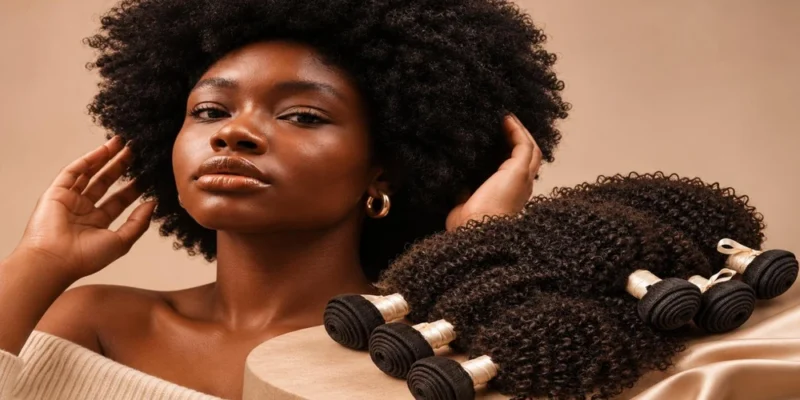
Natural hair comes in a remarkable range of textures, from defined 3C curls to dense 4A coils and tightly patterned 4B and 4C strands. Unfortunately, traditional extension collections have often placed greater emphasis on silky straight, body wave, and loosely curled styles. This limited selection has contributed to growing interest in Black Owned Hair Extensions, particularly among women seeking products developed with textured hair and realistic blending in mind.
Many Black beauty entrepreneurs recognize these challenges through personal experience, professional hairstyling, or direct conversations with customers. Instead of treating textured extensions as a secondary product category, some businesses build their collections around the specific needs of women who wear their natural hair, protective styles, or chemically relaxed textures.
This customer-focused approach creates opportunities for innovation. A company specializing in natural-looking extensions might offer multiple variations of kinky straight hair, allowing shoppers to choose between a smoother blowout appearance and a fuller, more textured finish. Similarly, curly collections may include distinct curl patterns rather than grouping every tightly curled product under one generic description.
Companies such as Heat Free Hair and ONYC Hair illustrate different approaches to serving the textured extension market. Their product offerings highlight an important business opportunity: shoppers may be willing to invest in specialized hair when the texture, product knowledge, and overall experience meet their expectations.
However, consumers should still evaluate each company’s individual products and practices. A business can have excellent knowledge of natural hair without every item in its collection delivering the same performance. Meaningful differentiation requires consistency, realistic product descriptions, and evidence that the hair performs as advertised.
Texture Inclusivity Is Changing What Women Expect From Hair Extensions
For many women, successful extensions are not simply about adding length. The goal is achieving a hairstyle that feels authentic, complements their natural appearance, and requires a manageable amount of daily maintenance. Someone with 4C hair may prefer a fluffy, coily finish, while another shopper with 3C curls might prioritize defined ringlets that blend effortlessly with her leave-out.
That growing demand for realistic blending has made Hair Extensions For Naturals an important consideration for shoppers who want styling versatility without constantly straightening or manipulating their own hair. Clip-ins, textured bundles, and carefully selected wigs can help achieve fuller hairstyles while reducing the need for frequent heat styling, depending on how they are installed and maintained.
Texture inclusivity also extends beyond curly and coily patterns. Kinky straight extensions can recreate the appearance of stretched natural hair or a soft blowout. Relaxed straight textures may complement chemically treated hair without creating an overly silky contrast. Meanwhile, textured U-part wigs and lace closures offer different options for women who want to control how much natural hair remains exposed.
Still, curl labels should be treated as useful guides rather than universal measurements. One manufacturer’s 3C texture may look different from another’s, particularly after washing or air-drying. Shrinkage, strand thickness, density, and curl definition all influence how extensions appear once installed.
Before purchasing, shoppers should examine photographs showing the hair in its natural, washed state. Videos demonstrating movement, volume, and texture after cleansing can be especially helpful. Comparing these details with one’s own hair often provides a more realistic expectation than relying on a texture name alone.
Premium Human Hair Quality Matters More Than Marketing Claims
Attractive packaging and descriptions such as “luxury,” “virgin,” or “premium” can make almost any extension product sound exceptional. However, these terms do not automatically establish quality. In a market where product grading is not universally standardized, customers benefit from looking beyond promotional language and asking practical questions about sourcing, processing, and construction.
Virgin human hair generally refers to hair that has not undergone chemical processing, although definitions and verification practices can vary between suppliers. Raw hair is typically marketed as minimally processed or unprocessed donor hair. Neither label guarantees that the finished product will be durable, tangle-resistant, or appropriate for every hairstyle.
Cuticle alignment is another important consideration. When the outer cuticle layers of human hair remain intact and aligned in the same direction, friction between strands may be reduced, supporting smoother handling and easier detangling. However, overall performance also depends on the condition of the hair, manufacturing methods, installation, and maintenance.
Shoppers should also understand the difference between single-drawn and double-drawn extensions. Single-drawn bundles typically contain a natural variation of strand lengths, creating tapered ends. Double-drawn bundles have a greater proportion of similarly long strands, producing a fuller appearance toward the bottom. Neither construction is automatically better; the ideal choice depends on the desired hairstyle and budget.
Durability should be assessed through realistic indicators, including excessive shedding, persistent tangling, unusual dryness, and how well the hair responds to gentle washing. Even premium extensions require appropriate care, and some shedding or tangling can occur through normal handling. Claims that human hair will never shed or tangle should therefore be approached cautiously.
Long-term value is equally important. A lower-priced bundle that loses its appearance quickly may become more expensive if it requires frequent replacement. Conversely, higher prices do not guarantee superior results. Comparing expected usability, maintenance requirements, and credible customer experiences can help determine whether an investment is justified.
How to Identify a Trustworthy Hair Extension Company Before Buying
As textured hair collections become more widely available, consumers have more choices than ever. This makes careful research essential, regardless of whether a brand is independently owned, Black-owned, or part of a larger beauty retailer. A trustworthy business should provide enough information for customers to understand exactly what they are purchasing.
Start with product transparency. Look for clear descriptions of hair origin where known, processing, texture, bundle weight, available lengths, and recommended care. Companies that explain the differences between their collections help shoppers make informed decisions rather than relying entirely on appealing product photographs.
Next, examine customer reviews across multiple platforms. Authentic feedback often includes specific information about installation, washing, blending, shedding, and how the extensions performed over time. Reviews featuring customer-submitted photographs can offer useful context, although lighting, styling products, and individual installation techniques may influence the final appearance.
Customer service also deserves attention. Reliable brands should be able to answer practical questions about curl matching, maintenance, shipping, and returns. Transparent policies are particularly important when purchasing expensive human hair products, since return eligibility may depend on whether packaging, tags, or security labels remain intact.
For textured hair, shoppers should consider their lifestyle before selecting a product. Someone who frequently exercises or prefers wash-and-go styling may prioritize manageable curls and straightforward detangling. A professional seeking a polished blowout appearance might prefer kinky straight extensions, while someone minimizing daily styling may find a removable wig more convenient.
Finally, compare the complete purchase cost, including the amount of hair needed, installation, maintenance products, and possible replacement expenses. Purchasing from a reputable company should feel like an informed decision rather than a gamble based on discounts or social media popularity.
The expanding interest in Black-owned beauty businesses reflects a broader shift toward representation, specialized expertise, and more thoughtful purchasing decisions. Entrepreneurs who understand underserved texture needs have an opportunity to compete through innovation, education, product consistency, and customer relationships instead of price alone.
For consumers, the most valuable outcome is greater choice. Whether shopping for defined curls, realistic coils, or naturally textured straight styles, women deserve extensions that suit their individual hair and styling preferences. By evaluating texture accuracy, human hair quality, transparent business practices, and genuine customer experiences, shoppers can identify products that offer both confidence and lasting value.



Comments